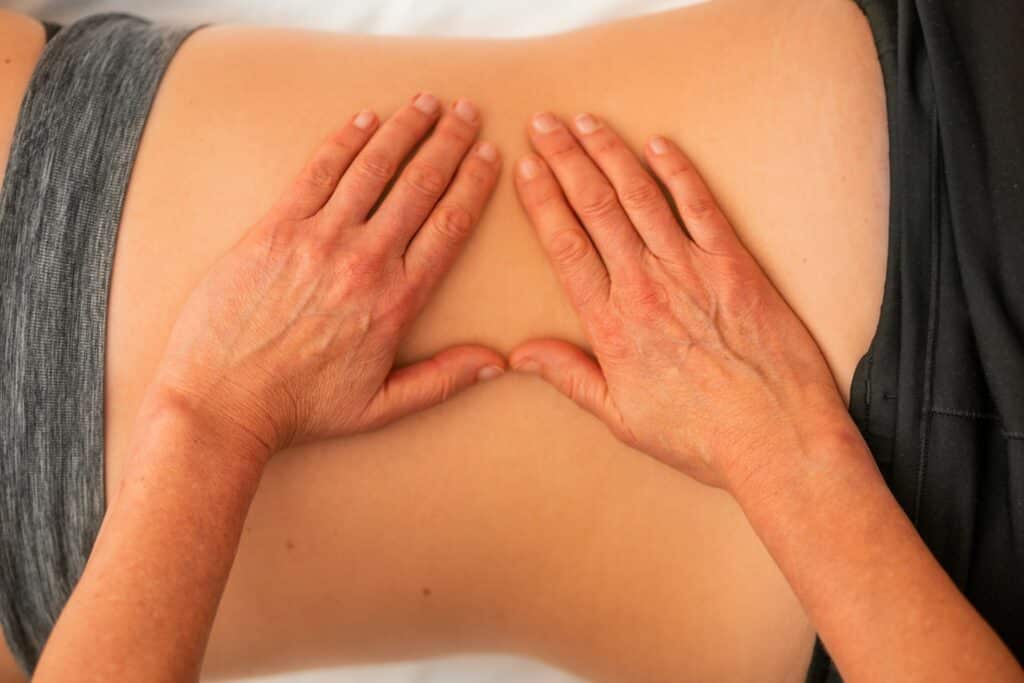
After a hip replacement, physical therapy is one of the most helpful ways to support your recovery. It teaches your body how to move again so you can start walking, sitting, and doing everyday things with more ease. Whether you’re getting up from a chair, bending to tie your shoes, or just feeling steady on your feet, the goal is to help you use your new hip safely. At Dr. Tau Loseli’s practice in Wagga Wagga and Griffith, hip replacement is one of the main procedures used to help people return to walking and everyday activity.
Late summer is a comfortable time for this kind of rehab. In most areas, including places like the Riverina, there’s still warmth in the air without the extremes of peak summer. That can make it easier to stretch and move without your joints feeling too stiff first thing in the morning. If you’re about to have surgery or just getting started with recovery, knowing what physical therapy usually involves can help you feel more confident about what’s next.
Getting Started: The First Few Days After Surgery
The first few days after a hip replacement are focused on helping you stand and move in small ways. This might all happen while you’re still in hospital, with the support of a physio.
Some early steps include:
- Using a walker or crutches to take your first short walks
- Practising how to sit down and stand up safely from a chair or bed
- Gentle ankle or leg movements in bed to help with blood flow and reduce stiffness
These small efforts are important. They remind your muscles and joints how to work with the new hip in place. Hospital physios help guide you through these steps so you don’t push too far too fast. They also show you safer ways to move and get used to the feel of your hip. For many hip replacement patients, walking with assistance starts within the first day after surgery, with physiotherapists guiding those first steps.
These first exercises may not feel hard physically, but they set the groundwork for moving better each day. And the key here is not speed, but steadiness.
Heading Home: What to Expect in Your First Few Weeks Back
Once you’re home, therapy continues outside the hospital. Many people find this stage a bit more challenging because it takes more patience to keep going consistently without immediate help nearby.
Things that often come up in the first few weeks include:
- Walking practice around your home, backyard, or patio
- Strength-building exercises focused on hips, legs, and core muscles
- Supportive routines like pacing your steps, staying upright when sitting, and planning rest breaks throughout the day
It helps to set up your space so it’s easy and safe to move about. That might mean raising a chair so it’s easier to get up, shifting furniture for clear walking paths, or using handrails near steps. Soft, low chairs can make standing harder, so firmer seating can be more comfortable.
One of the most important parts of therapy at this stage is keeping your body moving every day. Even small progress, like walking a bit further or climbing a step with less help, can make a difference. Consistency helps your muscles adapt faster and supports smoother movement down the track.
Building Strength and Balance Over Time
After the early phase, physical therapy starts to work on building up your strength, stability, and balance. Now that your new hip is starting to settle into place, your muscles need to catch up.
Physical therapy might include:
- Focused leg and core exercises to protect the new joint
- Balance work like shifting your weight from one leg to another
- Mentally staying aware of how your body moves, which boosts coordination
This is where warmer days can help. Even as the season slowly shifts toward autumn, late summer warmth still lingers in the mornings and evenings. That extra warmth can make joints feel more flexible and less stiff when starting your sessions.
As the weeks pass, what once felt shaky or sore can start to feel more natural. Bigger movements become easier as your strength returns, and you may notice you’re not relying on walking aids as much.
Things That Might Feel Tricky (And What Helps)
Every recovery has its tougher moments. It’s common to feel a bit frustrated when movement isn’t as smooth as you’d like or when old habits feel hard to change. Some people limp at first, while others notice stiffness or just feel tired before the day ends.
Challenges often include:
- Feeling unsure when taking that first step after sitting
- Learning to trust your leg again after pain or weakness
- Moments when you feel slower than usual
It helps to remember that recovery is not always a straight line. Some days will feel stronger than others. That’s normal. Checking in with your physio regularly makes it easier to adapt your exercises and set manageable targets.
We also suggest keeping your rest and sleep in mind. Even small breaks throughout the day can help you avoid soreness or stiffness later. And if something feels off, a little adjustment often brings more comfort than pushing through.
Getting Back to What You Enjoy
As therapy continues, you might start thinking about getting back to the things you love. Whether it’s gardening, a gentle walk in the park, or playing with grandkids, one goal of rehab is to help you return to those routines.
Signs that you’re making steady progress might include:
- Standing and walking for longer without support
- Picking up household tasks bit by bit
- Feeling steady enough to move on uneven ground or gentle inclines
It’s okay if those steps come slowly. The way your body rebuilds strength and memory isn’t rushed. We often find that people gain more confidence when they don’t force it, but instead give their hip time to adjust.
Late summer is often a great time to get outside for short, easy walks. The heat tends to taper off a little, and warm air can help muscles and joints feel a touch looser. As long as you’re keeping hydrated and avoiding the day’s hottest hours, this time of year makes a good backdrop for safely being active again.
Moving Forward with Confidence
Physical therapy after a hip replacement isn’t just about the joint itself. It’s about how your whole body learns to move again. It can help you feel steady, balanced, and more in control of your everyday life. As an Australian-trained orthopaedic surgeon and Riverina local, Dr. Tau Loseli works with physiotherapists in Wagga Wagga and Griffith to support hip replacement recovery from hospital through to later rehab.
Moving at your own pace, staying open to help, and setting realistic goals makes the process smoother. Each step builds toward greater independence, comfort, and movement. While the recovery path is different for everyone, the goal is shared, feeling more like yourself again.
If you’re preparing for surgery or navigating recovery, the right guidance can make a big difference. Dr. Tau Loseli offers patient-focused care that helps you regain confidence through each step of your healing journey. Learn more about how an orthopaedic surgeon in Wagga can support your movement, strength, and independence after hip replacement. We’re here to help you move forward with comfort and stability.