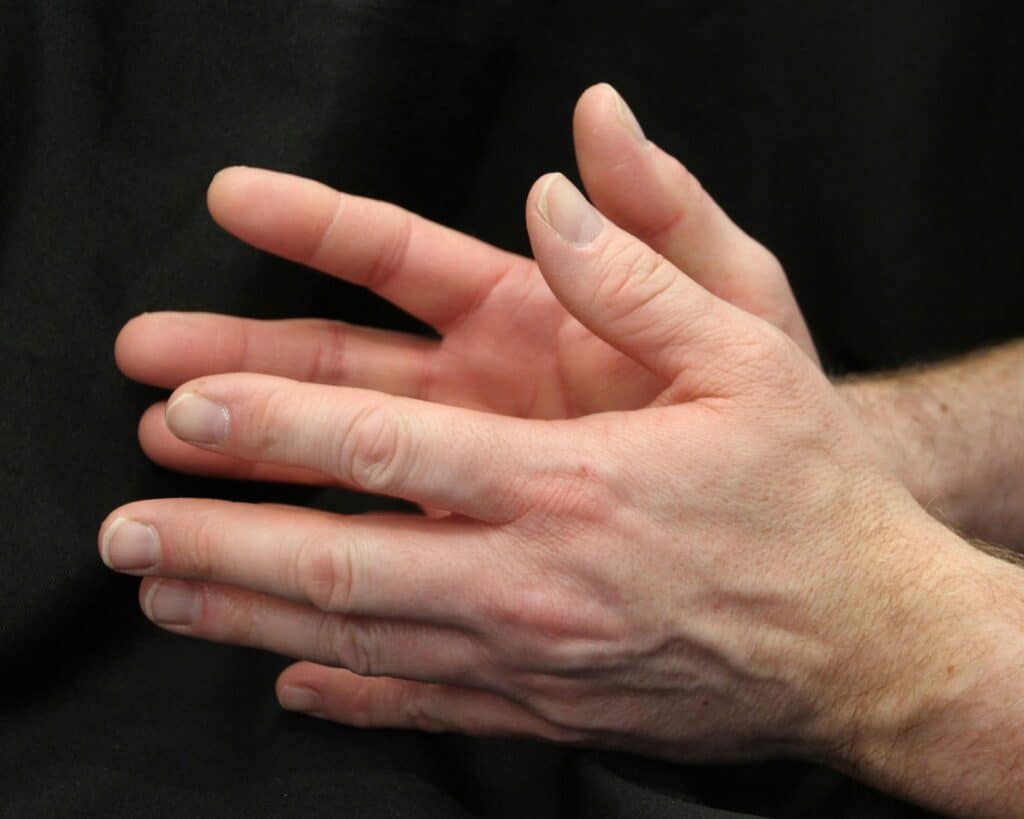
Small aches and stiffness in the hands can be easy to brush off. Over summer, when more of us are outside gardening, camping, fishing, or just doing more with our hands, it’s not unusual to feel a bit sore at the end of the day. Most of the time, those niggles pass. But sometimes, they stick around longer than expected.
Knowing how to spot joint damage early in your hands can make a real difference. Catching the signs before things get worse means it’s easier to manage movement, reduce pain, and avoid hand issues that linger or get harder to treat. Here’s what to look out for before those minor signs turn into bigger problems.
Small Changes That Could Point to Trouble
Stiffness that shows up after resting your hands might slip under the radar at first. If your fingers feel a bit stuck when you wake up, or it takes a few stretches to get them moving properly, that’s worth noting. It might not be painful, but it could be your body’s early way of saying something’s off.
Keep an eye on stiffness that:
- Lingers after sleep or rest
- Feels worse first thing in the morning and takes time to ease
- Comes back more often, especially after lifting, carrying, or pushing
This kind of stiffness might be easier to notice during summer, when people around the Riverina are more active outdoors. Whether you’ve been stacking gear, towing a trailer, or steering machinery, these seasonal tasks can put more demand on your hands. If movement feels slower or less smooth than it used to, don’t ignore it.
What Pain is Telling You
Pain in the hands can come in all shapes and sizes. Some people feel a dull ache that hangs around. Others might notice a sharp pinch when they grab or twist something. These aren’t just passing symptoms, especially if they become part of daily life.
Common tasks that might trigger this kind of pain include:
- Opening jars or bottles
- Hanging up heavy washing
- Carrying a shopping bag or water bottle
- Gripping a racket or garden tool
Pain that shows up regularly, even if it goes away after a rest, can be an early warning sign. It doesn’t mean something is broken, but it might mean your joints are under strain. If the discomfort becomes more frequent or stops you from doing simple things, it’s time to pay closer attention.
Grip Strength and Weakness You Didn’t Expect
Losing hand strength doesn’t always come with a clear warning. You might finish a job then realise afterward that your hands tired out quicker than usual, or you dropped something that never used to be hard to carry. This slow change in strength can sneak up.
Signs that your grip may be changing include:
- Letting go of objects without meaning to
- Struggling to keep hold of gardening tools, paddles, or sports gear
- Finding it harder to turn door handles or twist taps
These small struggles can show up well before swelling or visible changes arrive. The sooner we notice them, the quicker we can figure out what’s behind the problem.
Clicking, Grinding or Swelling in the Fingers
Sometimes the signs are loud and clear. Clicking or popping when you move your fingers might not hurt at first, but it’s worth watching. Grinding sounds or feelings around the joints can suggest the tissue isn’t moving smoothly anymore. Even swelling, especially if it sticks around, is something to look into.
You’ll notice these signs more when your hands are busy, like:
- Reaching into tight spaces while doing fix-it jobs around the house
- Picking up pets, buckets, or eskies
- Stretching your fingers after hours of using hand tools
In summer, when the days are hot and our routines often involve more manual tasks, these warning signals can stand out more. If your fingers start to click, swell, or feel like they’re grinding inside, it’s not something to shrug off.
When Everyday Movements Start to Feel Off
Some of the most helpful early signs are subtle at first. Picking up a spoon might feel fine, but using it feels awkward. Typing feels slower, or the buttons on your shirt don’t go as smoothly. These everyday movements rely on precise hand control, and when things feel slightly off, it’s worth noticing.
Changes to pay attention to include:
- Reduced range of motion or stiffness when moving
- Extra effort needed for simple actions
- Tasks taking longer or feeling unfamiliar in your fingers
If things aren’t feeling the same in your hands, it’s often more than a passing phase. Hands are busy all day, every day. When they don’t keep pace with the rest of you, checking in early can help prevent long-term strain.
Don’t Wait Until It Gets Worse
Early joint damage in the hands might look like something small, but those subtle signals matter. Picking them up now can make all the difference later on. If movement is limited, grip is weak, or discomfort is getting harder to ignore, chances are your hands are asking for help.
Keeping track of how your hands feel and move gives you the best chance to stay active and comfortable as the seasons change. Being ahead of joint damage isn’t about rushing into treatment. It’s about staying clear on what feels right and what doesn’t, and acting before problems grow stronger.
If your hands are starting to feel different and daily tasks are becoming more uncomfortable, it may be time to speak with someone who understands the signs early. Dr Tau Loseli is an experienced orthopaedic surgeon in Wagga who specialises in diagnosing and treating joint conditions before they progress. Seeking support now can help you stay active and prevent future complications. Book a consultation today and take the first step toward restoring comfort and movement.