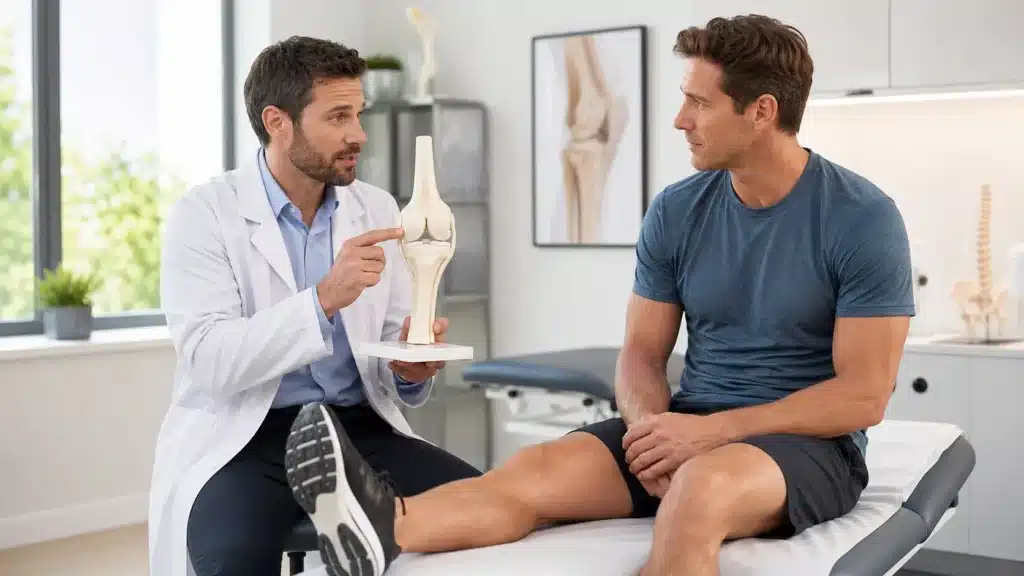
When an Unstable Kneecap Starts Holding You Back
Kneecap problems can creep up slowly or arrive with one big painful twist. Patella instability happens when the kneecap does not stay in its groove at the front of the knee. It may slip sideways, partly jump out, or fully dislocate. People often describe a sharp pain, a feeling of the knee giving way, or a sudden shift followed by swelling.
For many, these issues are more than a short-term scare. Repeated episodes can make simple things hard, like walking across the yard, climbing onto machinery, crouching in the shearing shed, or changing direction on the netball or footy field. When you start avoiding the activities you enjoy, or you do not trust your knee on uneven ground, it is worth paying attention.
Physiotherapy, bracing, and activity changes help a lot of people. But there are clear warning signs when it is time to get a surgical opinion and talk about patella stabilisation surgery. Knowing when to seek that extra help can protect your knee for the long term and get you back to work and sport with more confidence.
Understanding Patella Instability and Your Knee Anatomy
To understand patella instability, it helps to picture how the knee is built. The kneecap, or patella, sits at the front of the knee in a groove at the end of the thigh bone called the trochlea. The patella acts like a pulley for the thigh muscles, helping the knee straighten and bend smoothly.
The patella is held in place by:
- The groove of the thigh bone
- Ligaments on the inner and outer sides of the kneecap
- The quadriceps and other leg muscles that guide the kneecap
- Soft tissues, including the joint lining and cartilage
Patella instability can be caused by several things working alone or together, such as:
- A direct injury from sport, a fall, or a farm accident
- A shallow or oddly shaped groove in the thigh bone
- Naturally looser ligaments
- Muscle weakness or imbalance around the hip and knee
A single dislocation from a big injury is different to ongoing instability where the kneecap keeps feeling like it might slip. A one-off event may settle well with good rehab. Ongoing instability, especially with smaller movements or everyday tasks, is more likely to need closer review and, in some cases, surgery. That difference is important when we talk about long-term treatment and protecting the joint.
Clear Warning Signs That You May Need More Than Physio
Many knees settle with time, rest and a solid strengthening program. But some signs suggest that the problem is more than a simple sprain. These include:
- Repeated dislocations or near-dislocations
- Significant swelling after a minor twist or turn
- A constant feeling that the kneecap is about to slip sideways
- The knee giving way, even though you have done regular physio
When these things keep happening, there is a real risk to the smooth cartilage that lines the joint. Each episode can scrape or chip that surface. Over time, this can lead to pain with stairs or hills, a grinding feeling, and a higher risk of early arthritis.
This is often when people start changing their lives around the knee. They might stop playing sport, pull back from seasonal jobs that need kneeling or climbing, or avoid working on uneven paddocks. If you notice your plans for work, sport or family activities changing because of your knee, it is a strong sign that an orthopaedic assessment would be helpful.
In areas like Wagga Wagga, Griffith and the wider Riverina, we see many patients who want to stay active through busy farm periods and local sports seasons. Getting a clear diagnosis before things ramp up can make planning much easier and avoid a bigger setback later.
What Patella Stabilisation Surgery Actually Involves
Patella stabilisation surgery is about helping the kneecap stay where it belongs while still allowing normal movement. The exact procedure depends on the cause of the instability. Surgery can involve tightening or reconstructing damaged ligaments on the inner side of the kneecap, and in some cases correcting underlying alignment problems in the leg.
Before talking about surgery, we take time to understand the full picture. This usually involves:
- A detailed history of your symptoms and injuries
- A thorough examination of both knees, hips and leg alignment
- X-rays to look at bone shape and kneecap position
- An MRI if we need to see cartilage, ligaments or any loose fragments
The aim is not just to stop dislocations, but to give you more trust in your knee. Most people want to return safely to their usual work, drive long distances if needed, walk on uneven ground and play the sports they enjoy. Surgery is carefully planned around these goals, and it is usually considered when non-surgical care has not given enough stability.
Recovery, Rehab and Getting Back to What You Love
Recovery from patella stabilisation surgery is a step-by-step process. The details vary by procedure, but there are some common stages.
Right after surgery, you usually spend a short time in hospital while pain is controlled and the knee is checked. A brace is often used to protect the repair in the early phase. Gentle movement starts quite soon, within the limits set by your surgeon, to reduce stiffness and help the joint feel more natural.
Weight-bearing usually increases gradually, starting with crutches and moving towards normal walking as the knee heals and muscles strengthen. Physiotherapy is a key part of this plan. Your physio will guide you through:
- Range of motion exercises to bend and straighten the knee safely
- Strength work for the quadriceps, hamstrings, hips and core
- Balance and control drills to help the kneecap track well
- Sport or work-specific drills when the time is right
Following the rehab plan closely is one of the best ways to support a good long-term result. It can help to think ahead about your calendar. For example, planning surgery so that the early rehab phase does not clash with harvest, shearing, or major work projects can reduce stress. Return to driving, manual work and sport is gradual and individual, and we make those decisions together based on your progress and the physical demands you face.
How Dr Tau Loseli Can Help You Plan Your Next Step
If the signs of patella instability sound familiar, it can be reassuring to know that there are clear paths forward. An assessment with an orthopaedic surgeon is not a promise of surgery; it is a chance to understand exactly what is going on in your knee, and which options make sense in your situation.
We see many patients from Wagga Wagga, Griffith and surrounding communities who need care that fits around real life: farming, small business, family sport and long days on their feet. Local care means follow-up, imaging and shared planning with your GP and physiotherapist can be more straightforward and easier to manage over time.
Before you attend an appointment, it helps to think about:
- When your symptoms started and how they have changed
- What movements or activities set the knee off
- Any previous scans or reports you may have had
- The type of work you do and sports or hobbies you want to return to
Our aim is always to find the least invasive and most effective way to give you a stable, confident knee. For some, that is a structured non-surgical program. For others, patella stabilisation surgery, paired with good rehab, offers the best chance to get back to the things that matter most.
Take The Next Step Toward A More Stable Knee
If ongoing kneecap instability is holding you back, we can help you understand whether patella stabilisation surgery is the right option for you. At Dr. Tau Loseli, we take the time to assess your knee, explain your choices clearly and tailor a treatment plan to your lifestyle and goals. To arrange a consultation or ask a question, please contact us and our team will get back to you promptly.