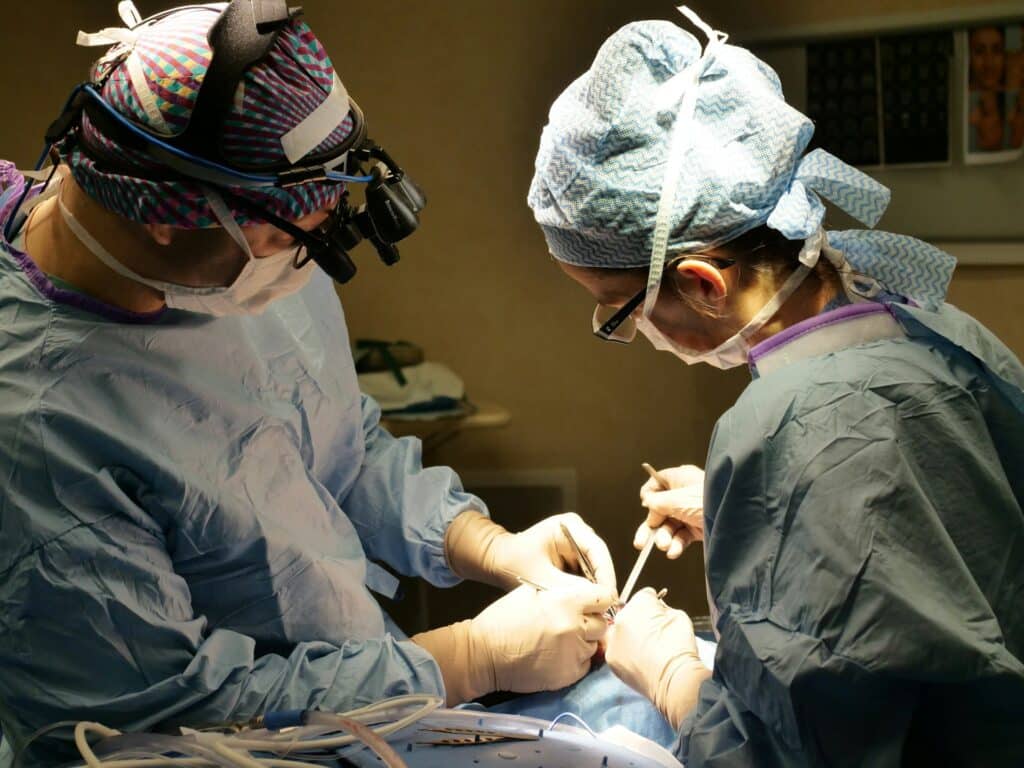
When Knee Scopes Stop Solving the Problem
Knee arthroscopy is a common keyhole procedure where we use a small camera and instruments inside the joint through tiny cuts in the skin. It is often used to trim or repair a meniscus tear, clear loose bits of cartilage, or tidy up damaged tissue that is catching or causing locking. For many people, it settles pain, reduces swelling, and helps the knee move more freely again.
Sometimes though, the early relief does not last. As we get older, or when we ramp up activity, pain and stiffness can creep back in. We often hear from people around Wagga and the Riverina who say their knee felt good for a while after a scope, but now it is stopping them from working, farming, or enjoying sport again. This is when it is worth asking if another knee arthroscopy in Wagga is the right next step, or if the problem has moved beyond what a scope can really fix.
Understanding What Knee Arthroscopy Can and Cannot Do
Knee arthroscopy is designed to deal with certain types of problems inside the joint. Common reasons we recommend it include:
- Meniscal tears that are catching, locking or causing sharp pain
- Loose bodies such as small bits of bone or cartilage floating in the joint
- Some localised cartilage injuries that can be smoothed or treated
- Assessment of ligaments and joint surfaces when scans are unclear
When the main issue is mechanical, like a torn flap of meniscus or a loose fragment, a scope often works well. It can reduce sharp catching pain, improve bending and straightening, and help people get back to work or sport.
There are clear limits though. Arthroscopy cannot reverse advanced osteoarthritis or regrow large areas of worn cartilage. It also cannot correct major bow-legged or knock-kneed deformity or fix significant bone-on-bone wear. In these situations, a scope may only give short-term relief, if any at all. That is why some patients are told they are not a good candidate for another knee arthroscopy in Wagga. It usually means the deeper problem has changed from a simple tear to more widespread joint wear, not that the first surgery has failed.
Warning Signs Your Knee Needs More Than a Scope
So how do you know when a simple scope is unlikely to be enough anymore? There are a few patterns we look for in clinic, and ongoing symptoms can be an important clue. These can include:
- Persistent night pain that wakes you up
- Swelling after light activity, not just big days
- Stiffness when getting out of the ute or off the couch
- Pain walking up or down stairs or slopes
We also pay close attention to what your knee is stopping you from doing, because loss of function often tells us as much as a scan does. In the lead-up to cooler months, red flags can include struggling with basic farm jobs like fencing, yard work or getting in and out of machinery, or having trouble getting through sport pre-season or even light training. Some people notice it in day-to-day life, such as finding it hard to walk the dog or keep up with the kids or grandkids, or battling to stand for a full shift at work, even with pain tablets and physio.
Structural changes are another warning sign. Things like:
- Long-standing bow-legged or knock-kneed alignment that is getting more obvious
- A knee that often gives way or feels unstable on uneven ground
- X-rays that show moderate or severe joint space narrowing
- Scan reports mentioning widespread cartilage loss rather than a small, localised tear
When several of these symptoms line up, it usually means the problem has moved beyond what a tidy-up scope can reliably improve.
When It Is Time to Reconsider Your Treatment Plan
If you feel stuck in a loop of pain, swelling and talk of repeat scopes, a fresh look at the whole picture can be helpful. When we review a knee, we bring together:
- Your story: how the pain started, what surgeries you have had, what makes it better or worse
- A hands-on examination: looking at movement, alignment, ligament stability and areas of tenderness
- X-rays: to assess bone alignment and joint space
- Other scans if needed, such as MRI, to understand the state of cartilage and menisci
From there, we can usually tell whether further knee arthroscopy in Wagga is likely to help, or if we need to change course.
Even when a scope is not the answer, there are non-surgical options that can still play a role. These include targeted physiotherapy to build strength and improve joint control, weight management to ease the load through the knee and bracing for certain patterns of wear or instability. It can also help to adjust activities so you can stay active without flaring the joint, and in some cases anti-inflammatory medication or injections may calm symptoms for a time.
There comes a point, though, where pushing on with the same plan is not kind to your body. Progressive arthritis affecting daily life, repeated injuries, or lack of progress despite good physio and medication can all signal that moving beyond repeat arthroscopy is safer and more effective.
Surgical Paths Beyond Repeat Knee Arthroscopy
When a knee problem is more complex, we look at other surgical paths that match the underlying cause. These might include:
- Realignment procedures, to shift load away from the most worn part of the joint in specific cases
- Ligament reconstruction, when instability from a torn ligament is the main driver of symptoms
- Cartilage restoration options for selected younger patients with localised damage
- Partial or total knee replacement, when there is advanced, widespread arthritis affecting daily function
The right operation is never one-size-fits-all. We think about your age and general health, how physically demanding your work and hobbies are, whether the damage is in one part of the knee or spread more widely, and how much deformity or instability is present.
Many people feel nervous about the idea of a bigger operation and ask if another scope might be easier. It is a very natural question. In some situations though, repeated small procedures do not change the big problem underneath. A well-chosen, more definitive operation can sometimes mean:
- Fewer total surgeries in the long run
- A clearer rehab plan
- A better chance of steadier, long-term function
The key is matching the operation to the problem, not forcing the problem to fit a favourite operation.
Taking the Next Step for Your Knee Health
If your knee is holding you back from work, farm life, sport or simple daily tasks, you do not have to just put up with it. Ongoing pain after one or more scopes is a sign that it is worth getting a careful, up-to-date specialist review rather than pushing through another busy season and hoping for the best.
When you see an orthopaedic surgeon in Wagga or the wider Riverina, you might find it useful to ask:
- What is the main cause of my pain right now?
- Will another scope change that cause, or only tidy around it?
- What are my realistic longer-term options, surgical and non-surgical?
- How will each option affect my work, sport and daily life?
At Dr Tau Loseli, we focus on understanding the whole picture of your knee, your goals and your daily demands. A personalised assessment can help clarify your diagnosis, outline the full range of options, and plan a path back toward steadier, more reliable movement with less pain.
Take The Next Step Toward Easier Movement
If knee pain is limiting your work, sport or daily activities, we can help you understand whether knee arthroscopy in Wagga is the right option for you. At Dr. Tau Loseli, we will walk you through your diagnosis, recommended treatment and expected recovery so you know exactly what to expect. To discuss your situation or arrange an appointment, please contact us and our team will get back to you promptly.