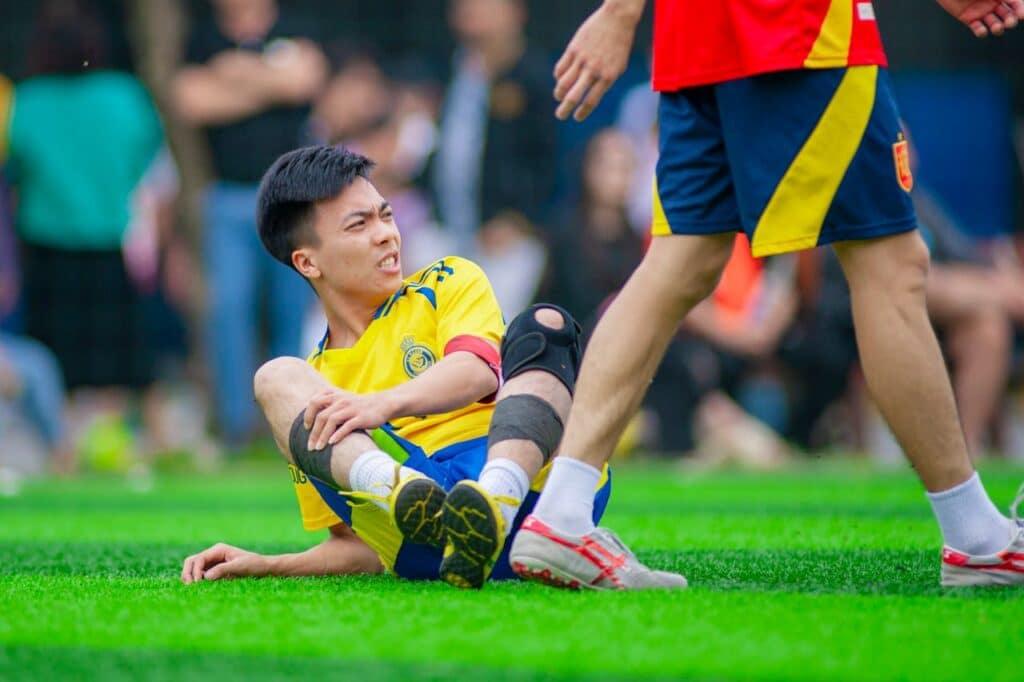
Weekend footy is a big part of staying active and social for many of us. Whether it’s a casual match with mates or a more competitive local game, it’s a great way to move and enjoy time outdoors. But nothing puts a stop to the fun faster than an ACL strain.
As footy season kicks off again after the summer break, it’s a good time to reset our routines and make some smart moves to avoid hurting ourselves. ACL injuries are a common reason people seek help from Dr Tau Loseli for sports-related knee problems across Wagga Wagga and the wider Riverina region.
ACL strain doesn’t just happen to pros. It’s one of those injuries that can affect anyone, especially during quick, high-energy games. The good news is that a bit of care and planning can make a big difference. Building stronger habits now can help keep you on the field longer and recover less.
Know Why ACL Injuries Happen
Understanding how ACL injuries happen can help us avoid them. In footy, the knee often gets twisted during sudden stops, quick changes in direction, or when landing awkwardly after a jump. These movements can all put stress on the ACL, one of the key ligaments that keep the knee stable. The ACL helps stop the shin bone from sliding forward on the thigh bone and provides important rotational control when you pivot or cut.
In social games, players might not be as warmed up or prepared as they would be in formal settings. That tends to increase the risk. Hot summer conditions and hard, dry turf can also play a part. When the ground is firm underfoot, there’s less give, which can increase the impact of fast movements and scrappy tackles on the knee.
Build Knee Strength Before You Play
One of the best ways to protect your ACL is to do the work before you even step onto the field. By strengthening the muscles around the knee, you can give it better support and reduce the strain during play.
You’ll want to focus on the following areas:
- Hamstrings, which help balance your leg movements
- Quads, which take on a lot of load while moving and pivoting
- Calves, which support ankle and knee stability
These can be worked with simple, low-impact exercises you do a few times a week. Building this into your routine means you’re warming up the right muscles and giving your joints a better chance of coping with the demands of weekend matches. If you aren’t sure where to start, a physiotherapist or sports trainer can help guide your approach based on your fitness level and goals.
Stretch, Warm Up, and Cool Down Right
A rushed warm-up (or none at all) is one of the common reasons people end up with strained muscles or ligament injuries. It’s easy to go from car boot to kickoff because time is tight or the game is casual. But if your muscles are stiff and cold, your risk of strain is much higher.
Before you start, it helps to go through a few key steps, like:
- Light jogging or skipping to raise your heart rate
- Dynamic stretches that keep your body moving while loosening your hips, knees, and ankles
- A brief skills warm-up, like passing or cutting drills, at low intensity
After playing, don’t forget a short cool-down. This helps your body wind down gently. A cool-down should include slower-paced movement, some light walking, and longer static stretches to help with recovery and limit stiffness the next day.
Use the Right Footy Footwear
The shoes you wear can either support good knee movement or make trouble more likely. For weekend footy matches, it’s important to match your boots with the surface you’re playing on. Studs or cleats that are too long or stiff for dry, hard fields can catch unexpectedly, making it easier to twist your knee by accident.
Here’s what to keep in mind when choosing footwear:
- Make sure your boots give a good grip without locking your foot into place
- Choose flexible soles that still offer ankle support
- Rotate between stud types depending on the hardness of the ground
In many parts of Australia, including across the Riverina, February brings hot days and baked turf. That harder surface can be tough on joints, especially knees, so adjusting your gear for the field can make a real difference.
Rest Days and Knowing Your Limits
Playing footy once a week doesn’t automatically mean your body is ready for it. Without preparation or time to recover properly, even social games can put strain on your knees. This is where listening to your body really matters.
Some things to watch for:
- If your knee is sore after each game, it’s worth taking a break to let it recover
- Don’t schedule pick-up games or training sessions back-to-back without rest
- If you have swelling or feel unstable in the joint, it may be time to pause and check things out
Taking rest seriously gives your joints and muscles the recovery time they need. That matters just as much as warming up or strengthening during the week. We all want to stay involved, but pushing through pain is rarely worth it. For some players with more serious injuries, Dr Tau Loseli can offer knee procedures such as ACL reconstruction, knee arthroscopy, meniscus and cartilage procedures, patella stabilisation, and knee replacement when required.
Keeping Your Knees Game-Ready
Staying active through footy is one of the best ways to enjoy the weekend, connect with others, and keep fit. But keeping your knees ready to play takes more than just showing up.
From choosing the right shoes to building strength during the week, a bit of planning goes a long way. Preventing something like an ACL strain means paying attention to how we move and how we prepare, especially in summer when the ground is tough, and the games are full of energy. With the right habits, we can help keep ourselves in the park and off the sidelines. An afternoon match with friends should stay fun, not send you home limping.
If knee pain or a past injury is holding you back from the weekend footy you love, it may be time to speak with an orthopaedic surgeon in Wagga. At Dr. Tau Loseli, we focus on helping active people stay active, with personalised care to match your recovery goals. Whether you’re managing recurring discomfort or coming back from a more serious strain, our approach is grounded in practical support and local experience. Don’t wait until the pain sidelines you for good; take steps now to protect your movement for seasons to come.