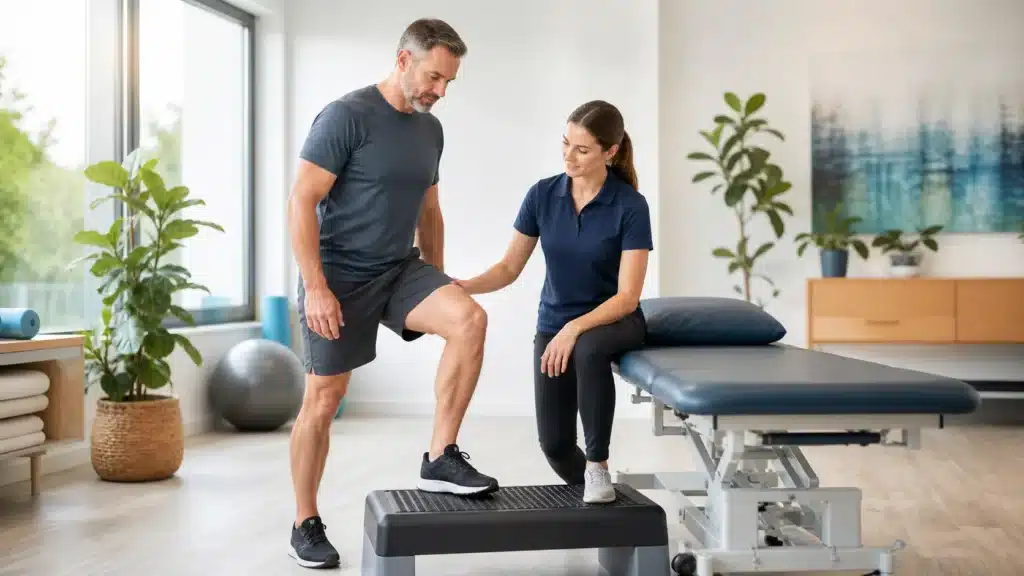
Regain Confidence After Knee Arthroscopy in Wagga
Knee arthroscopy is a common keyhole operation where a small camera and instruments are used to look inside the knee and treat problems like cartilage tears, loose bodies, and some causes of locking or catching. For many active adults and older patients in the Riverina, it can be a helpful step when knee pain keeps getting in the way of work, sport, or daily life.
Recovery is usually quicker than with open surgery, but it still happens in stages. Pushing too hard too soon can actually slow things down. Here, we walk through a general week-by-week guide so you know what often feels normal, what might be a warning sign, and when it is sensible to book a review with a local orthopaedic surgeon such as Dr Tau Loseli.
Everyone heals differently, and every knee is different. Your own surgeon’s advice always comes first. Still, having a rough roadmap can make the process less stressful, especially if you are trying to plan around winter sport, travel, or busy periods on the farm.
The First 72 Hours After Surgery
Most people having knee arthroscopy in Wagga go home the same day once they are awake, comfortable, and safe on crutches. You can expect bandages around the knee, sometimes a bulky dressing, and clear written instructions for pain relief and simple exercises.
During the first 3 days, it is very common to notice:
- Swelling and warmth around the knee
- Mild to moderate pain that settles with tablets and rest
- Feeling unsteady on your feet and needing help with stairs
- Needing support for showering, dressing, and preparing meals
This early time is mainly about protection and comfort. Key focuses usually include:
- Resting with the leg raised on pillows so the ankle is higher than the hip
- Using ice packs as instructed to help reduce swelling
- Taking prescribed pain relief regularly at first, not just when pain is severe
- Only doing the basic ankle pumps and gentle movements given by the hospital or physiotherapist
Red flags in the first 72 hours need urgent medical attention. These include:
- Severe pain that does not ease with the prescribed tablets
- Very fast increase in swelling or the bandage becoming extremely tight
- Fever, chills, or feeling very unwell
- Chest pain, sudden shortness of breath, or coughing up blood
- Toes that become numb, cold, blue, or very pale
Week One to Two: Settling Pain and Swelling
From about day 4 to the end of week 2, the main goals are to calm the knee down and gently get it moving. Pain should start to become more predictable, and swelling should slowly ease, although it may still be quite noticeable.
By the end of the second week, many people are usually able to:
- Walk short distances indoors, with or without crutches
- Stand at the bench long enough to make simple meals
- Manage basic self-care like dressing and bathroom tasks
Physiotherapy in Wagga Wagga, Griffith, or your local town often starts or steps up in this period. The focus is usually on:
- Safe exercises to wake up the thigh muscles, especially the quadriceps
- Practising straightening and gently bending the knee within your comfort range
- Learning how to walk with a good pattern, even if you still need crutches for balance
Normal experiences at this stage can include:
- Mild stiffness after sitting for a while
- A pulling or tight feeling around the stitches or portals
- Some sleep disturbance, especially if you normally sleep on your side
Warning signs to watch for are:
- Increasing redness or warmth spreading around the wounds
- Fluid or pus leaking from the cuts
- New calf pain, especially if the calf looks swollen or feels tight
- Sudden shortness of breath or chest pain
If pain is getting worse rather than better by the end of week two, or if walking is actually harder than it was a few days earlier, it is sensible to contact your surgeon’s rooms to ask if an earlier review is needed.
Week Three to Four: Getting Back to Daily Life
Weeks three and four are when many patients start to feel more like themselves again. The knee is still healing, but confidence often improves as you move a bit more and rely less on strong pain tablets.
In this phase, many people:
- Walk longer distances on level ground, for example around the house or block
- Gradually reduce or stop using crutches, if balance and strength allow
- Return to light desk-based or seated work, but only if cleared by the surgeon
Some swelling after a busier day is very common. This might happen after standing for long stretches at work, being on concrete floors, spending more time on the farm, or staying on your feet at community events. The swelling should usually settle again with rest, elevation, and ice.
Safe activity targets around this time often include:
- Comfortable walking on flat surfaces
- Gentle use of an exercise bike, if your surgeon or physiotherapist has approved it
- Ongoing physiotherapy to build strength, balance, and good movement patterns
You should still avoid:
- Twisting, pivoting, and sudden direction changes
- Deep squats or kneeling unless your surgeon has said it is safe
Success at this stage can look like:
- More confident use of stairs, even if you still take them one step at a time
- Less need for pain medication, or only at night
- Better sleep, with fewer throbbing or aching episodes
If your knee keeps giving way, locks, catches, or you feel progress has stalled compared with what your physiotherapist expected, it is worth booking a review to check how the knee is tracking.
Week Five to Twelve: Returning to Work and Sport
From about week five onwards, the focus shifts from basic healing to rebuilding strength, balance, and trust in the knee so you can return to the things you enjoy. For some, that might be walking the dog comfortably. For others, it might be getting back to work that involves more time on their feet.
By around two to three months, many patients are usually:
- Back to normal household activities at their own pace
- Driving again, if their surgeon has cleared them and they feel safe to brake firmly
- Doing most office or lighter duty work
- Gradually resuming low-impact exercise such as walking, swimming, and cycling
Seasonal factors around late autumn and winter in Wagga Wagga and the Riverina can affect confidence. Wet or frosty mornings can make surfaces slippery, and sports like football and netball involve rapid pivoting. High-impact or twisting sports usually take longer to return to. Pushing too quickly can irritate the knee, increase swelling, and delay full recovery.
Reasons to slow down and seek advice include:
- Swelling after every walk, not just on unusually big days
- Sharp pain with certain movements, such as turning or stepping off a curb
- A limp that is still obvious beyond eight to twelve weeks
If these issues are present, a follow-up appointment allows your orthopaedic surgeon and physiotherapist to reassess the knee and adjust your rehabilitation plan.
When to Book a Review with Your Surgeon
Most people recovering from knee arthroscopy in Wagga notice slow but steady improvement in pain, movement, and confidence over the first three months. There are ups and downs, and some days are better than others, but the overall direction should be forward.
You should consider booking a review if:
- There is any sudden change, like severe new pain, a locked knee, or repeated giving way
- You see possible signs of infection such as spreading redness, discharge, or fever
- Your progress has plateaued for a couple of weeks despite doing your physiotherapy
- You are struggling to meet the demands of work, farm duties, or your usual sport
Orthopaedic surgeons usually plan standard post-operative visits, for example to remove stitches, review early healing, and later to check strength and function. At these reviews, they can adjust pain medication, update activity limits, or, if needed, arrange further tests.
For patients in Wagga Wagga, Griffith, and surrounding Riverina towns, getting timely advice can keep small problems from becoming long term issues and support a safer, more confident return to everyday life after knee arthroscopy.
Take The Next Step Toward Comfortable, Confident Movement
If knee pain is holding you back from work, sport or everyday activities, we can help you understand whether knee arthroscopy in Wagga is right for you. At Dr. Tau Loseli, we take the time to assess your situation carefully and discuss all suitable options in clear, straightforward language. To arrange an appointment or ask a question, please contact us and our team will get back to you promptly.