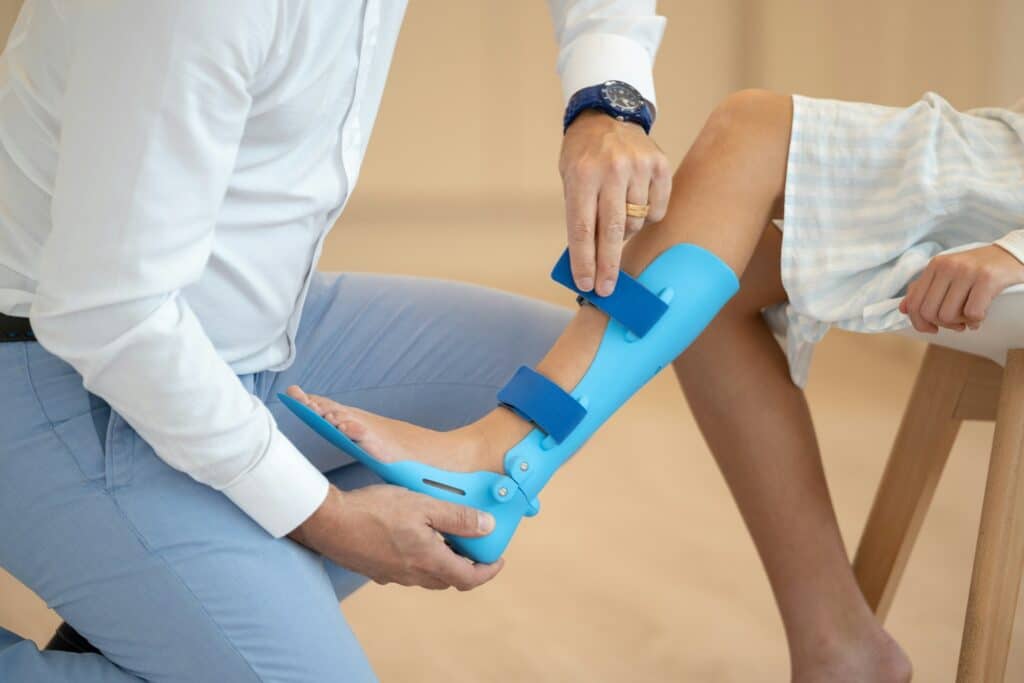
Ankle instability might not seem like a big deal at first. Maybe your ankle rolls now and then, or it feels a bit wobbly when you walk on uneven ground. But it can slowly turn into something that gets in the way of everyday movement. When your ankle isn’t steady, small things like walking across the lawn or climbing stairs can turn into frustrating or even painful experiences.
If you live in places like Wagga Wagga or Griffith, summer brings more time outside, more chances to be active, and more pressure on your joints. December heat can make swelling worse, especially after past injuries. Whether it’s backyard cricket, holiday runs after the dog, or standing on your feet most of the day, an unstable ankle can get in the way fast.
What Ankle Instability Looks and Feels Like
Sometimes ankle instability is easy to spot. Other times, it sneaks up quietly. If you’re unsure whether your ankle is truly unstable or just stiff, there are a few clear signs to watch for. These are common things people notice:
- You roll your ankle more than once a year, even during normal walking
- Your ankle feels weak or wobbly, like it might give way
- Swelling in the ankle seems to stay, especially after activity
- You feel pain on the outside of the ankle during or after movement
- Your ankle doesn’t feel right on uneven ground
It’s also common to notice a clicking or catching feeling in the joint, usually after past sprains that didn’t fully heal. Those feelings might get worse during summertime activity, especially when it’s hot and your body is already dealing with heat-related swelling. The dry, rough ground around country areas can make things tougher too, since uneven surfaces put more stress on a joint that’s already struggling.
Why It Happens (and What Doesn’t Heal on Its Own)
Ankle instability usually traces back to stretched or torn ligaments. These soft tissues support the joint and hold the bones in place when you move. In medical terms, ankle instability describes a weakened ankle joint that is less able to support your body weight during everyday movement. Once they’re injured, they don’t always go back to normal on their own. When healing is slow or incomplete, the ankle stays loose, which is what makes it feel unstable.
Some people think their ankle is fine as long as it doesn’t hurt too badly. But pain isn’t the only sign something’s wrong. If the ankle buckles under just a bit of pressure, that’s a sign the ligaments haven’t stopped the joint from moving too much. That’s the main difference between a one-off injury and chronic ankle instability. You might feel okay at rest, but your ankle just can’t handle side steps, slopes, sudden stops, or jumping anymore.
This isn’t just about sport. Plenty of people notice instability while gardening, carrying shopping bags, or walking on gravel. Left untreated, instability can worsen over time, wearing down joint surfaces or leading to more sprains that make things worse.
When to Get It Checked
Not every ache or swell means trouble. But there are a few signs that let you know it might be time to stop waiting it out and get your ankle checked:
- Your ankle still feels weak weeks or months after injury
- You feel like you can’t trust the ankle on flat surfaces
- Pain flares up after basic movement, like walking or standing
- You have to think about your steps more than you used to
If you’re limping more than usual or bracing your ankle without thinking, that’s a sign the problem’s grown. Even sleeping might become uncomfortable if the ankle aches or feels twisted after a long day. Around December, people tend to get busier with travel, outdoor time, and family gatherings. That added activity can make small injuries worse or turn mild symptoms into something more noticeable. If your ankle’s been giving you trouble, it’s best not to wait for things to settle down in the new year.
How Treatment Helps You Stay Active
Strong ankles help you move through life with confidence. If your ankle has been giving way, dragging during steps, or aching after time on your feet, treatment can help bring back steady movement. While exact plans may differ, getting the right support early is usually a mix of physical therapy, strengthening work, and sometimes surgery if the ligaments just aren’t holding up anymore. At his Riverina clinics, Dr. Tau Loseli manages ankle instability as part of his general orthopaedic care for foot and ankle conditions, including arthritis and bunions.
The goal isn’t just to stop the ankle giving way. It’s about helping you get back to doing what you enjoy, without constantly thinking about that ankle. Whether it’s going for a daily walk, managing work that involves moving around, or playing social sport without taping your ankle every time, treatment clears the way for steady movement. When your ankle feels stable again, that sense of trust in your step comes back too.
Keeping Your Bearings Through the Summer
If you’ve had a few ankle sprains or deal with regular swelling, now’s a good time to check in with how your ankle’s truly holding up. Walking on uneven paths, standing for long periods during summer events, or chasing after kids can make instability harder to ignore. When an ankle wobbles too often, the risk of falling or re-injury rises, especially across dry paddocks, footpaths, or sand.
Trusting your ankle means feeling steady at the start, middle, and end of the day. Spotting the signs early gives you a better chance to stay active all summer, not stuck on the sidelines come January. If your ankle’s been slowing you down more than it should, take note. Listening to those small signals now could save you trouble down the track.
If your ankle has been feeling less reliable lately, it might be time to look at what’s really going on beneath the surface. Chronic wobbling or swelling doesn’t have to be your new normal. Getting the right support from an experienced orthopaedic surgeon in Wagga can make all the difference. Dr. Tau Loseli is here to help you stay active with the confidence that comes from steady, supported movement.