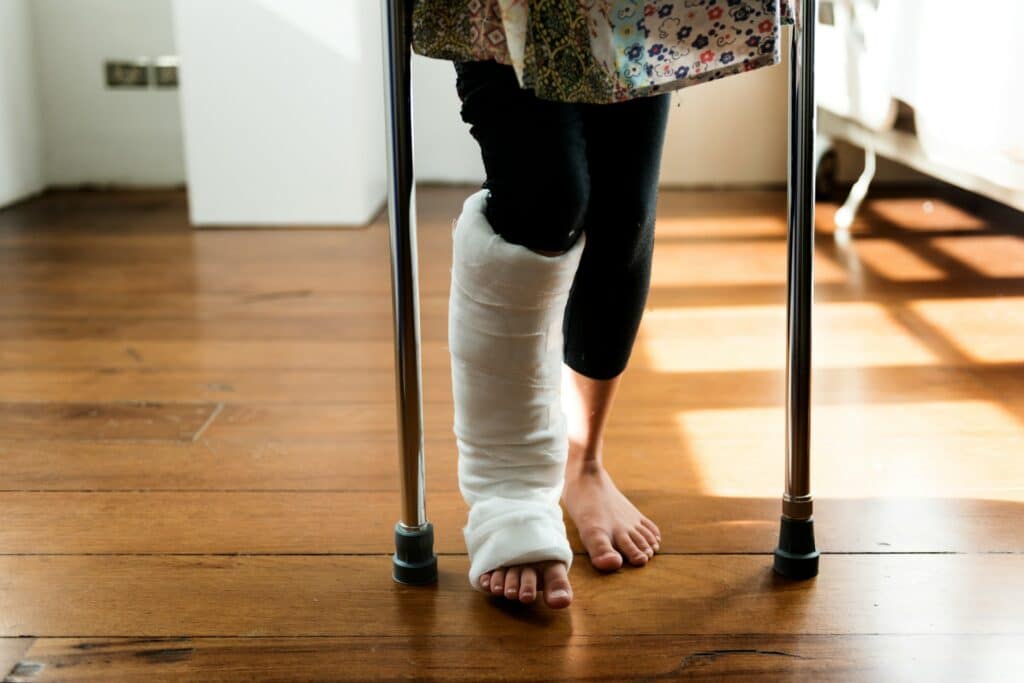
Healing from a broken leg or foot does not follow the same path for everyone. Lower limb fractures can feel like a big setback, especially when they interfere with basic movement. Whether it is walking, standing, or just getting around the house, these kinds of injuries often lead people to wonder how long recovery will take.
The healing timeline depends on a few things. Where the break is, how bad it is, your age, and even how active you were before it happened all play a part. Recovery happens in phases, and even though bones have a good ability to mend, that does not mean the process is quick or feels easy. Knowing what to expect can make the wait less frustrating and help you feel more in control of your recovery. As a Riverina local and Australian-trained orthopaedic surgeon working across Wagga Wagga and Griffith, Dr Tau Loseli regularly cares for patients recovering from leg, ankle, and foot injuries.
What Affects Healing After a Lower Limb Fracture
Some fractures are simple and stay in place. Others move or break into pieces and need more than just rest. Where the fracture happens matters too. A broken ankle might take a different recovery route than a broken thigh or shin.
There are a few key things that often affect recovery speed:
- Type and location of the fracture (ankle, shin, thigh, etc.)
- Whether the fracture was stable or moved out of place
- Your age and bone strength
- Your general health, including things like diabetes or circulation issues
- Whether surgery was needed
Some fractures can heal with a cast or boot and some rest. Others need surgery to realign the bone or hold it steady with screws or plates. The recovery path afterward often looks very different depending on these choices. Dr Tau Loseli’s fellowship training focused on complex trauma reconstruction and joint replacement surgery, which are both important when planning treatment for more severe lower limb fractures.
The General Healing Timeline Step by Step
Recovery happens in a few stages. Each one plays a different role, and timing may shift a little depending on the person and the injury.
Here is an idea of how these phases usually play out:
1. Early healing (Weeks 1 to 3): The first few weeks are focused on rest. Swelling goes down and the body starts forming a soft bridge where the bone was broken. You will often need to keep weight off the leg during this stage.
2. Mid-stage healing (Weeks 4 to 8): The soft bone hardens and gets stronger. Pain often improves, and many people start putting some weight on the limb or begin light rehab.
3. Late-stage and beyond (Weeks 9 to 12 and beyond): In this stage, the bone finishes hardening. You will likely start rebuilding muscle strength, balance, and full movement.
Even when the bone looks healed on an X-ray, many people still feel aches, stiffness, or weakness. Recovery does not stop with bone healing, mobility and confidence take time to return.
What Healing Feels Like Week by Week
People healing from lower limb fractures often wonder if certain aches or feelings are normal. Most start to feel changes week by week, even if they are small at first.
Here are a few things that are common early on:
- The swelling goes down after a few days, but some puffiness might come and go
- Pain can be sharp at first, then starts to ease into a dull ache
- By week 3 or 4, it is normal to feel tired in the leg even with short amounts of standing
- Around weeks 5 to 8, many people start adding light pressure, like resting the foot on the ground
It is common to feel frustrated during this time. The leg may feel heavy or stiff. Walking might not feel smooth yet. Even getting around with crutches in the heat of summer can feel draining. These frustrations are often part of the process and do not mean something is wrong.
Movement and Rehab Milestones to Watch For
As recovery moves forward, it is helpful to notice milestones. These are points where the body is ready for more activity, even if it does not always feel easy.
Some points of progress include:
- Being able to rest some weight on the injured leg without pain
- Transitioning from crutches or a walker to walking support-free
- Standing or sitting without needing extra help
- Managing longer stretches of daily tasks, like walking to the letterbox or standing in the kitchen
Summer weather, especially in places like Riverina, can make this stage harder. Heat can lead to swelling or faster fatigue. Rest more often, use compression if needed, and stay cool.
Activity should always increase slowly. If walking longer or standing more often leads to pain or swelling the next day, that is a sign to pull back. Pacing matters as much as trying.
When Healing Is Not Going as Planned
Sometimes, a fracture takes longer to heal than expected. This does not always mean something serious is wrong, but ignoring warning signs is not a good idea.
Here are signs that healing may need another look:
- Swelling that does not improve after early recovery
- Pain that increases instead of fading
- Weight-bearing or small movements that stay difficult after several weeks
- Numbness, tingling, or sharp discomfort that feels different from the first few weeks
If any of these show up, checking in with a professional can help keep healing on track. Often, small changes in activity, support, or care make a bigger difference than most people realize.
Pushing through pain or skipping checkups can delay recovery or cause more problems later. If something feels off, it is better to ask than assume it is part of the process.
After the Break: Healing and Progress
Healing after a lower limb fracture is not only about waiting for bones to mend. It is about rebuilding trust in your body and feeling steady back on your feet. Going through these phases takes time, planning, and patience, especially when the heat and pace of summer make rest harder.
By understanding what to expect and recognizing progress along the way, it is easier to stay calm and focused. Even when timelines stretch longer than expected, most people find their footing again piece by piece. Each small win is part of moving forward toward full movement and comfort.
If you are still feeling unsteady weeks into your recovery, you are not alone. Ongoing issues with movement, swelling, or pain may need extra care to fully regain confidence in your step. Dr. Tau Loseli is an experienced orthopaedic surgeon in Wagga who understands the complexities of healing after a lower limb fracture. Reach out today to explore support options tailored to your situation.