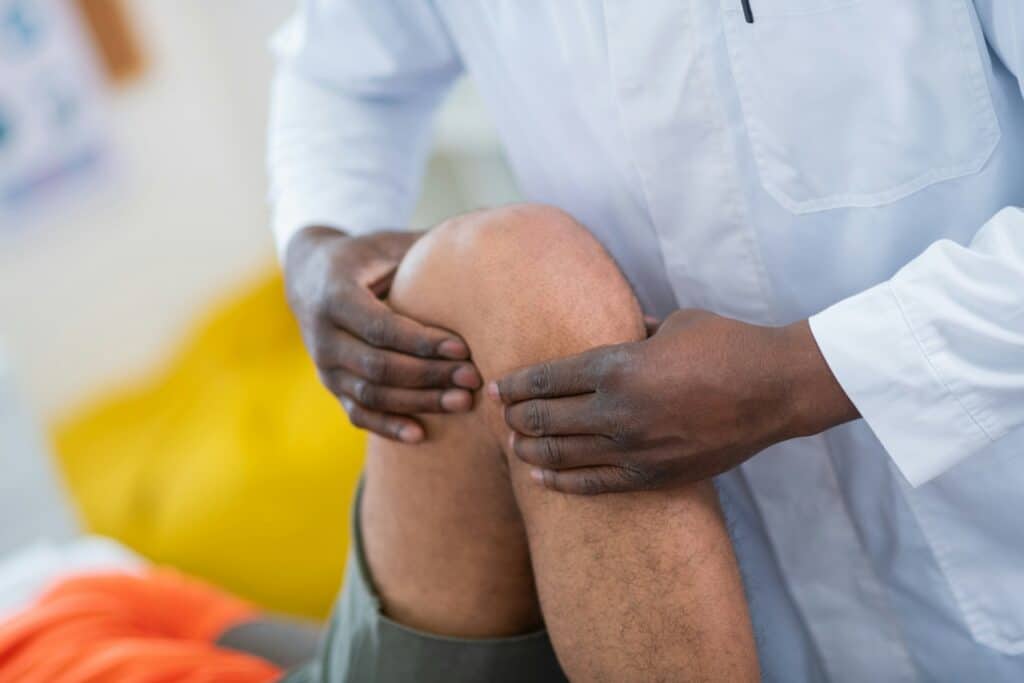
Getting Back to What You Love on Your Terms
Knee pain has a way of creeping into all the things you enjoy. A simple walk along the levee in Wagga starts to feel longer. Gardening, bowls, golf, or a kick of the footy with the grandkids can leave you paying for it that night. Over time, you might notice your world getting smaller as the knee complains more often.
Many locals worry about what knee surgery might mean for work, the farm, sport seasons or school runs. Time off your feet, getting into town for appointments, and asking family for help can all feel like big hurdles. It is normal to feel unsure.
Our aim here is to give clear, down-to-earth information about when knee replacement in Wagga makes sense, what doctors look at when making that call, and how staying active before and after surgery can help you get back to the things that matter most to you.
Signs Your Knee Pain Is No Longer “Just Age”
A bit of stiffness in the morning or after a long day is common as we get older. But there are signs that knee arthritis is moving past ordinary wear and tear. These changes tend to build over time and can be easy to brush off until they are hard to ignore.
Common signs that arthritis may be progressing include:
- Knee pain on most days, not just after big efforts
- Night pain that wakes you or makes it hard to find a comfy position
- Stiffness after sitting, like getting out of the ute or off the couch
- Difficulty with stairs, especially coming down
- Needing the handrail or grabbing furniture to steady yourself
Just as importantly, it is not only what shows on a scan that matters, but what the knee is doing to your day-to-day life. Red flag impacts can show up as a gradual change in what you say yes to and what you avoid. For example, you might find you are saying no to regular sport or exercise because you know the knee will flare up, or cutting your walk around Lake Albert short because the return leg feels too much. You may also start avoiding uneven ground on the property, like paddocks, yards or irrigation channels, and relying on regular pain tablets just to get through normal chores.
Timing really does matter. If you leave things too long, pain and stiffness can cause muscles to weaken and your walking pattern to change, which can make recovery harder later. On the other hand, moving to surgery before you have tried good non-surgical care might not be needed. That is why a tailored assessment with an orthopaedic surgeon is so helpful. It is about matching the treatment to the stage of your knee and your life.
When Knee Replacement in Wagga Makes Medical Sense
Knee replacement is usually considered when simpler measures no longer give enough relief. Surgeons look at several pieces of information, not just one scan or one bad day.
Clinical reasons a surgeon may recommend knee replacement can include:
- X-ray changes that show significant arthritis, such as loss of joint space
- Clear joint deformity or bowing of the leg that affects how you stand and walk
- Limited response to treatments like physio, tablets or injections
- Pain that interferes with basic daily activities, such as shopping or sleeping
When we assess someone, we do not just look at the knee in isolation. We also consider your age and general health, how active you are and how active you want to be, your work demands (for example farm work, trades, hospitality or office work), and your home roles (like childcare or caring for a partner).
It is important to be realistic about what a knee replacement can and cannot do. The main goals are usually:
- Less pain, especially that constant ache and sharp catching pain
- Better function for daily tasks, such as standing, walking and stairs
- Increased walking distance, often allowing a return to regular local walks
A replaced knee is not a brand new joint. Many people can return to low-impact activities like walking, cycling or social sport, but high impact sports and heavy repetitive pounding are usually limited. This helps protect the new joint so it can serve you for as long as possible.
Staying Active in the Riverina Before and After Surgery
Being as strong and mobile as you can before surgery often helps recovery. This is sometimes called prehab. You do not have to push into big pain, but gentle, regular movement can make a real difference.
Prehab usually focuses on:
- Strengthening the thigh and hip muscles that support the knee
- Keeping the knee moving within a comfortable range
- Keeping weight in a healthy range to reduce stress on the joint
In and around Wagga and the Riverina, good low-impact options can include:
- Flat walks on local paths and tracks, choosing distances that feel manageable
- Gentle cycling, either on a stationary bike or on safe, even paths
- Pool sessions at local facilities, where water helps take load off the joint
- Simple home-based exercises for those living on properties, using steps, chairs or railings
After surgery, there is usually a clear rehab plan. While details vary from person to person, many people can expect:
- Early walking with support, often starting in hospital
- Regular exercises to improve bending, straightening and strength
- A gradual move from walking aids, like a frame, to a stick, then to independent walking
- A staged return to driving, work and hobbies over the following weeks and months
Staying active within your limits, and following expert advice, helps your new knee and your confidence grow together.
Planning Knee Replacement Around Work, Sport and Seasons
For many Wagga and Riverina locals, the question is not just “Do I need surgery?” but “When on earth can I fit it in?” Planning is a big part of making knee replacement work for your life, not against it.
Things we often talk through with people include:
- Fitting surgery between key farm jobs, such as harvest or shearing
- Working around important sport seasons, either your own or family
- Timing around school holidays and family travel plans
- Lining up help at home for the first few weeks
While everyone recovers at a different pace, there are common timelines people ask about. Many want to know roughly when they might:
- Be safe to drive again, once they can move comfortably and control the pedals
- Return to office-based work, often earlier than heavy physical jobs
- Resume lighter duties on the farm, such as machinery work instead of heavy lifting
- Get back to low-impact sport or regular walking, with guidance from their care team
For those coming from Griffith and surrounding towns, travel and follow up visits are part of the planning. In practical terms, this often means organising who will drive you home from hospital and to early appointments, arranging local physiotherapy support closer to home where possible, and allowing extra time for trips in and out of Wagga while you are less mobile.
With good planning, most people find they can fit surgery into their year in a way that works for them and their family.
Making a Confident Decision About Your Next Step
If you are unsure where you stand, it can help to simply pay closer attention over the coming weeks. Notice when pain shows up, what it stops you from doing, and how often you reach for tablets. Take note of patterns, such as always turning down certain activities or avoiding particular surfaces or distances.
Bringing clear questions to your GP or an orthopaedic surgeon can make a consultation much more useful. Helpful questions might be:
- Are there non-surgical options I have not tried properly yet?
- Based on my scans and daily life, what benefits could I reasonably expect from surgery?
- What are the main risks for someone in my health situation?
- How long might I need off work, and what duties should I avoid at first?
- What support will I need at home in the first few weeks?
Knee replacement in Wagga, Griffith and the wider region is about more than fixing a joint. It is about helping you get back to walking your local paths, keeping up with family, and staying involved in the work and hobbies that give your days meaning. With a careful, personal assessment from Dr Tau Loseli, you can weigh up your options and make a choice that feels right for you and your knee.
Regain Comfortable Movement With Personalised Knee Care
If knee pain is limiting your work, sport or day-to-day activities, we are here to help you understand your options and plan the right timing for surgery. At Dr. Tau Loseli, we provide detailed assessments and tailored treatment plans for knee replacement in Wagga so you know exactly what to expect at every stage. If you are ready to discuss your situation in more detail, please contact us to arrange an appointment with our team.