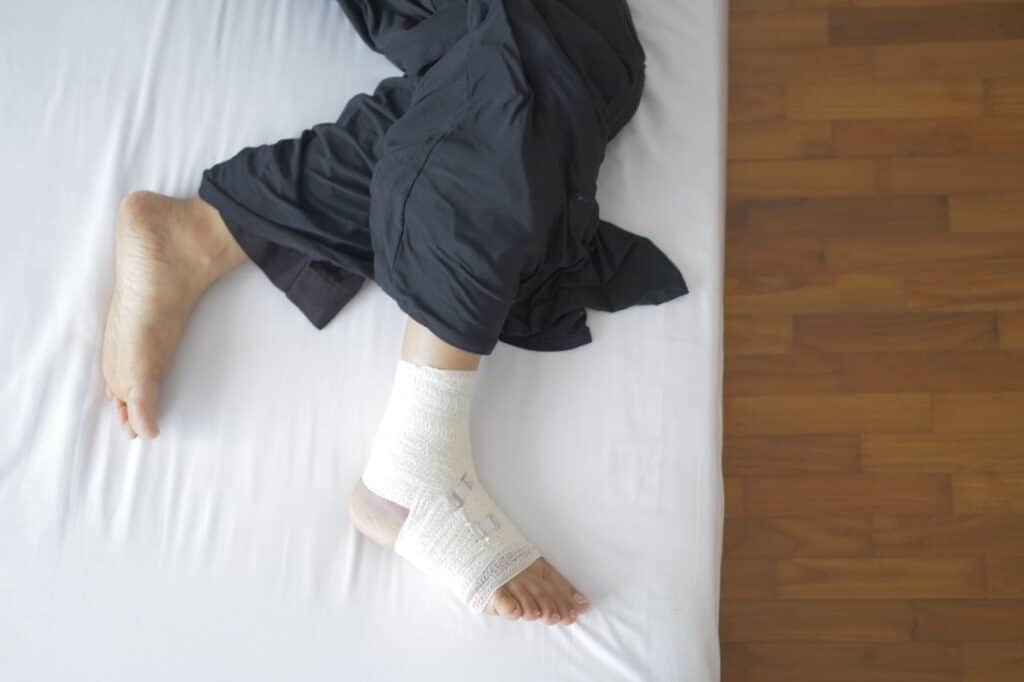
When a broken bone doesn’t heal properly, the effects can last much longer than we expect. Poor fracture healing can change the way we move through daily life, making it harder to walk, lift things, or keep up with regular activities. Sometimes it’s not painful at first, but the long-term impact can sneak up over time.
This is especially true when the injury involves a joint or support area like the hip, ankle, or wrist. These places work hard every day to keep us steady and mobile. If the bone doesn’t recover its full shape or strength, it can make our entire body compensate. That can lead to other strain or discomfort later on. As an Australian-trained orthopaedic surgeon and Riverina local, Dr Tau Loseli regularly manages fractures and trauma cases across Wagga Wagga and Griffith.
What Can Go Wrong With Fracture Healing
Not every broken bone heals the same way. In some cases the problem is obvious early on, but other times, the issue becomes more clear only after weeks or months. There are a few ways fracture healing can go off track:
- The bone might heal too slowly, which keeps us in recovery longer than normal
- Sometimes the bone heals in the wrong position or angle, making movement awkward
- In more serious cases, the two ends don’t knit together well, leading to what’s called non-union
Several things can cause these kinds of delays or missteps. If there’s swelling that doesn’t ease, or if the injury gets knocked or moved too soon, healing can be interrupted. Health plays a role too. Older adults or people with certain conditions might find their bones take longer to heal. How the break is treated at the start also matters a lot, including how it’s set or supported. In more severe fractures, surgery such as open reduction internal fixation, using plates, screws, or pins to hold the bone in place, may be needed to allow it to heal in the correct position.
How Movement Changes After Poor Healing
A poorly healed fracture doesn’t just interfere with recovery. It changes how we move long after the cast is off. Sometimes these changes start small. Maybe the wrist feels a bit off when lifting something heavy, or the ankle doesn’t feel steady on stairs. But over time, that minor stiffness or pain can affect how we walk, grip, or keep our balance.
You might notice:
- Walking becomes unsteady or feels effortful, especially after leg or ankle fractures
- Climbing stairs or crouching takes more energy or causes discomfort
- Tasks like holding a mug, turning a tap, or using tools may feel awkward
Our bodies often try to make up for one weak spot by leaning more on another. That can lead to new soreness in other joints or muscles. This kind of strain often builds slowly and may go unnoticed until it starts interfering with work, hobbies, or household tasks.
Why Early Support Makes a Difference
When a broken bone gets the right treatment early, healing tends to go more smoothly. The bone is more likely to grow back straight and strong, and support from healthcare professionals helps people avoid overuse or risky movements too soon. At Dr Tau Loseli Orthopaedics, trauma care includes assessment of upper and lower limb fractures in both children and adults, with treatment plans tailored to the type of break and the person’s activity level.
Regular check-ups are just as important. They let us catch small issues like poor bone alignment or delayed healing before they cause long-term trouble. X-rays or physical checks can show how things are tracking, and adjustments can be made before problems settle in.
Waiting too long can make future care harder. A misaligned bone might need extra support or surgery later to fix what could have been guided early on. That’s why early support isn’t just about comfort, it’s about preventing bigger setbacks down the road.
Seasonal Changes and Injury in the Riverina
March marks the start of autumn in the Riverina. Early mornings get crisp, and moisture on footpaths or driveways becomes more common. That mix of cool air and slippery surfaces can raise the risk of falls or sprains, especially for those rushing through school routines, gardening, or home projects before winter.
At this time of year, we tend to see more fractures related to:
- Clean-ups and lifting during seasonal home tasks
- Falls during weekend sport or on wet pathways
- Slips on early morning dew at work sites or around the house
Cooler weather also stiffens joints, making it easier to misstep or overreach without realising it. These seasonal patterns matter when planning recovery because a fresh injury during autumn often means managing stiffness through winter too. Catching problems early is key before the cold makes joint movement more difficult.
Protect Your Movement For the Long Term
How a fracture heals can determine how well we move and manage pain years down the track. If the bone knits back together the right way, we often return to full use without ongoing trouble. But if it heals poorly, everyday tasks might stay uncomfortable or feel limited.
Movement matters. Most of us want to stay active and independent as we age, and strong, reliable bones play a big part in that. We can’t predict every fall or mishap, but we can pay attention to how the body feels during recovery.
Stiffness that lasts, aches that spread, or changes in how we walk or lift could be signs that healing needs a closer look. Acting early helps reduce the chance of bigger issues later and keeps our bodies moving the way they should.
If you’re noticing stiffness or discomfort long after the cast has come off, it may be time to rethink how your fracture is healing. Delays or misalignment can impact your future movement and comfort, especially during seasonal changes. To make sure your recovery is on track, it helps to speak with an experienced orthopaedic surgeon in Wagga who understands how injuries can affect long-term mobility. Dr. Tau Loseli provides informed, local care to help keep you moving forward with confidence.