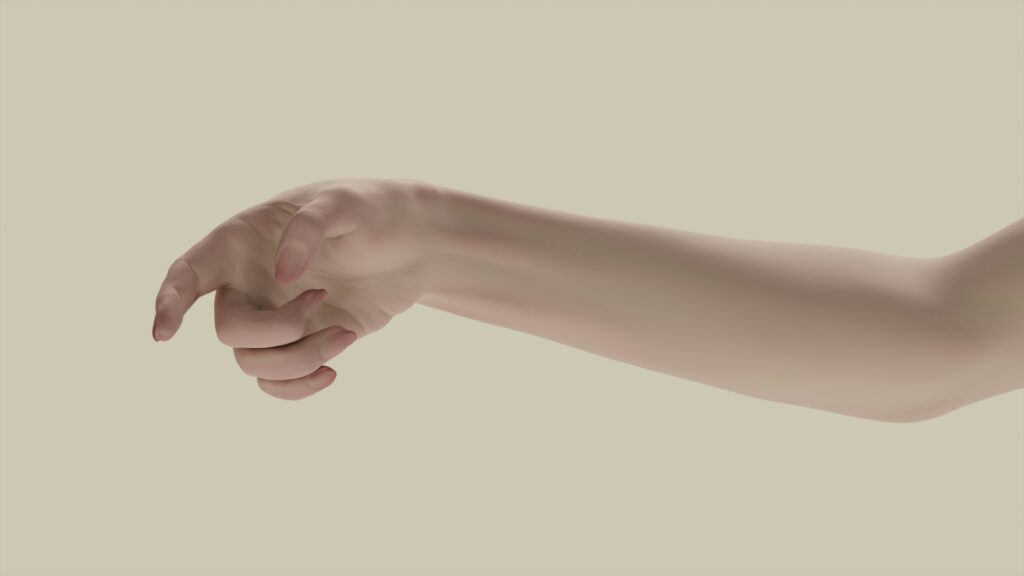
Trigger finger can sneak up on you. One day your finger feels a bit stiff, next thing you know it’s snapping when you try to straighten it. Gripping the kettle, holding garden tools, or even brushing your teeth might feel clumsy or sore. It doesn’t always start with major pain, but it can definitely start to interfere with your grip.
As summer winds down and we head into autumn, many of us are using our hands more. Projects around the house, back-to-school tasks, or catching up after a break can all increase hand strain. The good news is you don’t need to stop using your hands altogether. With the right adjustments, we can keep movement comfortable and protect grip strength while managing symptoms of trigger finger.
What Trigger Finger Feels Like Day-to-Day
Trigger finger often begins as a small nuisance. A finger might feel tight or sluggish in the morning, or you might hear a little pop when bending it. Some people feel like their finger “sticks” when they try to flex or straighten it. This happens when the tendon in the finger becomes inflamed and swollen and can no longer glide smoothly through its sheath.
This becomes more noticeable throughout the day, especially when doing things like:
- Pouring from a jug or lifting groceries
- Turning a key or doorknob
- Using the hose or clippers in the garden
Late summer in places like the Riverina brings more time outside and more tasks that rely on your grip. Whether it’s tidying up before cooler weather or helping kids get ready for school, many routines ask more from our hands right now. That increase, even in short bursts, can make symptoms jump from mild to frustrating if we’re not paying attention.
Simple Adjustments That Make a Difference
Managing trigger finger doesn’t have to mean doing less. In many cases, it’s about doing things a bit differently so your hands don’t get as tired or irritated.
Here are some ways to take pressure off your fingers:
- Use thicker-handled tools or add padding where possible to make gripping easier
- Change how tightly you hold items, firm, not hard, is usually enough
- Break jobs into shorter blocks with small rest periods in between
You don’t need to stop living your routine. Long rest can even make fingers feel more stiff. But being conscious of when and how your hands are used can help reduce pain and allow you to stay active without pushing too hard.
Keep Your Hands Moving the Right Way
Stillness can make trigger finger worse, so gentle movement matters. Regular use of the hand keeps the finger joints and tendons working together in a smoother way. The key is choosing movements that support flexibility without strain.
Instead of forcing stiff fingers into stretches or lifts, try:
- Opening and closing hands slowly during breaks
- Flexing fingers with light resistance like a sponge or cloth
- Avoiding sharp, fast grips like pulling heavy bags or lifting boxes awkwardly
The more natural your movement stays, the easier it is for the tissue to stay healthy. Sudden pressure or strong pinching movements can inflame the tendon and make locking worse. We often find that mild-use routines help more than full rest or forceful stretching.
Why Rest Matters More Than You Think
Rest doesn’t always mean doing nothing. It means giving your fingers a chance to recover properly. Trigger finger is linked to irritation and swelling in the tendon sheaths of the finger, so small aggravations build up over time. In many cases, this irritation is temporary and can improve with rest and other non-surgical care, although some people eventually need surgery to correct the underlying problem.
There are some easy ways to ease pressure throughout the day:
- Switch tasks when your hand starts to feel tired
- Alternate which hand you use for simple routines like carrying light bags or using remote controls
- Use cushioned grips when driving, writing, or on garden tools
March often brings new routines, packed school bags, cupboards to reorganise, warm-weather clean-ups. All this can lead to more finger use in short bursts. Without enough rest in between, the tendon slides less easily, and fingers catch more. Recognising when you’ve done enough for one session is just as helpful as using smart tools.
When to Seek Professional Support
Some early symptoms can be managed at home with changes like modified hand position or avoiding repeat motions. But if pain sticks around, it’s a sign that something deeper might need help.
Here’s when it may be time to speak with someone:
- If your finger locks in a bent position and doesn’t straighten easily
- If swelling around the joint doesn’t go down after rest
- If you start having pain that spreads to the palm or wrist
- If your grip starts to weaken, even lightly holding a cup
Hands are too important to dismiss small changes in function or comfort. Getting help early can often lead to simpler options for support. Waiting too long might make movement harder to recover, and grip strength can suffer in the long term.
If your finger pain is starting to limit what you can do each day, it may be time to speak with an orthopaedic surgeon in Wagga. At Dr. Tau Loseli, we take the time to understand what’s bothering your hands and guide you through the best path forward. You don’t need to live with the discomfort of locking or stiffness. A small step now can help protect your grip and support daily comfort for the long term.