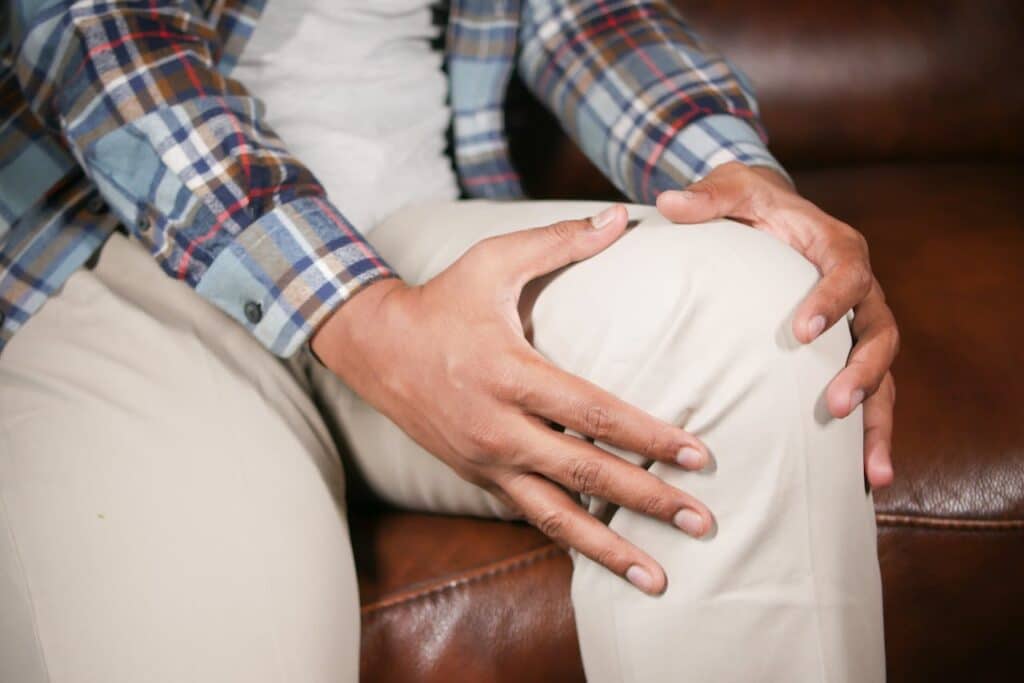
Living with knee arthritis doesn’t mean you have to stop moving. While some activities may feel more challenging, staying active is one of the best ways to keep your joints working better, even if they’re a bit achy. Regular movement helps keep knees from stiffening up too much, and it can lift your mood and improve how you feel day to day.
If you’re managing knee arthritis during late summer, it’s good to choose activities that suit the warmer weather and your body’s pace. There are ways to stay active that don’t add extra stress to your knees; we just have to be smart about it.
Choose Low-Impact Activities That Feel Good
When your knee joints feel sore or swollen, high-impact activities like running or tennis can do more harm than good. The good news is, there are plenty of gentler options that still keep you moving:
- Walking at a comfortable pace on flat, even footpaths helps keep your body active without too much joint pressure.
- Swimming is ideal because the water supports your body, making it easier to move freely without jarring your knees.
- Cycling, especially on a stationary bike or gentle outdoor tracks, can help build leg strength with low strain on the joints.
If you’re in Wagga Wagga or Griffith, local pools and smooth trails can be great starting points. Late summer is usually hot across the Riverina, so try going out early in the morning or sticking to cooler indoor settings when the temperature rises.
Listen to Your Body and Pace Yourself
When it comes to knee arthritis, slowing down isn’t a sign of weakness; it’s smart. Some days will feel better than others, and it’s all right to adjust your activity based on how you feel.
- If you notice sharp pain or swelling during movement, take that as a warning to pull back and rest. Soreness can be expected, but pain that sticks around needs extra care.
- It helps to break longer activities down into smaller chunks with little rest in between. Whether it’s walking around the block or doing a few stretches, stop and rest if your knees ask for it.
- Don’t skip your warm-up. Gentle ankle rolls, small leg lifts or knee bends can help get your joints moving before you jump into any steady exercise. A quick cool-down stretch at the end is just as helpful to ease tight muscles.
Pacing yourself doesn’t mean doing less; it means doing it smarter.
Use Support When You Need It
Sometimes the best way to stay mobile and safe is by giving your knees a bit of help. That could mean using aids or wearing gear that offers extra support when needed.
- A simple knee brace can help you feel more stable and take some pressure off the joint, especially during walking or chores.
- Good footwear really matters. Shoes with cushioning and solid arch support reduce stress on your knees with every step.
- Around the house or when going up or down stairs, a walking stick or handrail can offer extra balance, making daily movement safer and less tiring.
Your needs might change from day to day. Some mornings you might feel fine without extra help, and on others, adding a bit of support can keep you moving comfortably.
Keep Moving Around the House
Even if you’re not leaving the house, there are still easy ways to stay active. Everyday tasks can keep your joints flexible as long as you keep moving gently and often.
- Simple activities like watering plants, cooking, folding laundry, or doing light tidying all create opportunities to keep your knees bending and your body shifting.
- Choose furniture that helps you get up and down easily. Upright chairs and beds that aren’t too low make day-to-day movements less painful.
- With summer heat in the Riverina, indoor movement is useful when it’s too hot outside. Make a habit of stretching or walking through the hallway a few times during the day.
You don’t need to follow a strict routine. Small steps add up when you stay mindful of how often you sit still.
Build Strength Gently
Strengthening the muscles around your knee can make movement feel steadier and offer better joint support. But the key is to go slow and avoid pushing too hard.
- Gentle resistance activities, like leg lifts with light bands or seated movements, can make a big difference over time.
- Stretching the legs, hips and calves helps prevent tightness and improves comfort during daily walking.
- Skip heavy weights or anything that makes your knees throb. Focus on movement quality, not speed or volume.
If you’re unsure where to start, speaking with a health professional like a physio can help guide you toward exercises that suit your condition. Moving with control builds confidence and comfort one step at a time.
Finding Your Own Rhythm with Knee Arthritis
Staying mobile when you have knee arthritis doesn’t have to feel like a chore. The small choices you make each day, whether it’s picking a gentle walk over sitting, or taking an extra moment to warm up, can shape the way your joints feel throughout the week.
Each body responds differently, and that’s okay. Start where you are, listen to your knees, and build a rhythm that works for you. With the right kind of activity, you can keep doing what you love and feel better doing it.
If knee arthritis is making it harder to stay active, it might be time for some extra support. Building a routine that works with your body, not against it, can make daily movement feel simpler and less painful. Whether you’re just starting gentle stretches or exploring care options, an orthopaedic surgeon in Wagga can help guide the way. Dr. Tau Loseli offers practical solutions to keep you moving comfortably all summer long.