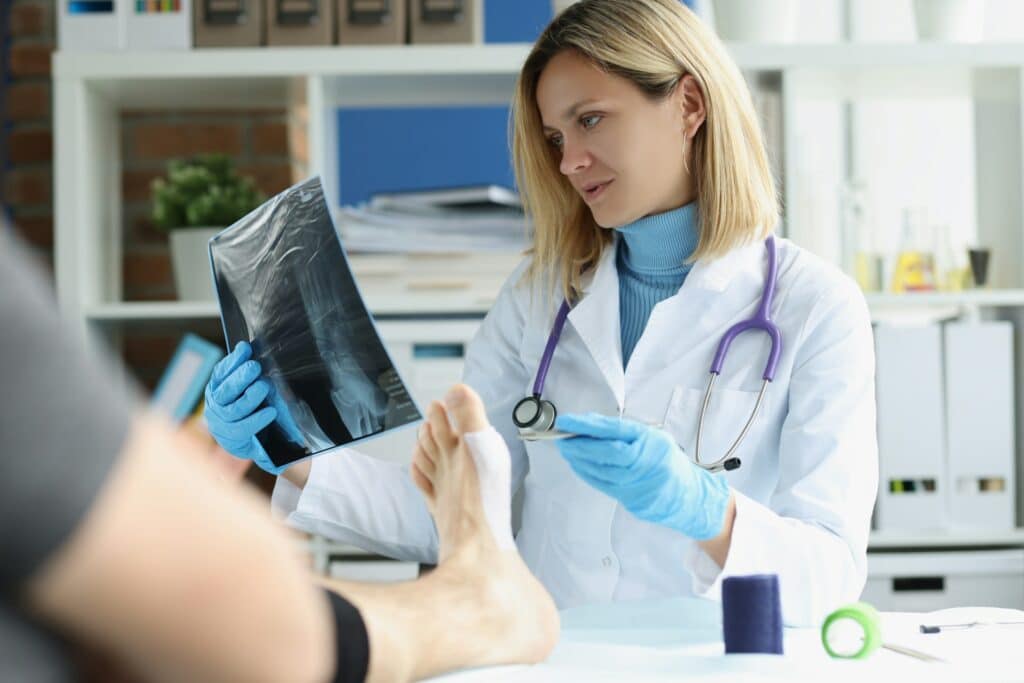
Breaking a bone can feel scary and unexpected. Whether it’s from falling off a ladder, playing sport, or slipping at work, a fracture can put life on pause. Some breaks are simple and heal well with rest and support. But others need extra help. Knowing when a fracture might need surgery is something many people don’t think about until it happens.
During a hot summer in places like the Riverina, more people are outdoors, active, and on the move. That means there’s a higher chance of injuries that catch us off guard. Learning when to act can make a big difference in how the bone heals and how quickly you get moving again. Dr. Tau Loseli is an Australian-trained orthopaedic surgeon and Riverina local who treats fractures across both Wagga Wagga and Griffith.
How breaks are different: not all fractures are the same
All fractures are not the same. The type of break affects how we treat it. Some are clean, others are more difficult to manage. Here’s how they vary:
- A simple fracture is when the bone breaks but stays in place. These can often be managed without surgery.
- A complex fracture means the bone has broken into more than two pieces or the ends aren’t lined up anymore. These can be harder to treat with a cast alone.
- An open fracture is when the bone breaks through the skin. This kind of injury carries a higher risk of infection and often needs surgery to clean and stabilise the area.
Where the bone is broken matters too. A fracture in a finger might be easy to rest and protect. But a break in a hip or the middle of the leg takes weight and pressure, so we think more carefully about whether it will hold together without an operation.
Signs a fracture might not heal on its own
Some breaks may look simple at first but show signs early on that they’re not healing as they should. If you notice the following, it might mean the bone isn’t going to heal properly without surgery:
- Ongoing or severe pain that doesn’t ease with rest
- The bone looks out of line, or you can see a bump that shouldn’t be there
- Numbness or tingling around the area, which might mean a nearby nerve is affected
- Trouble moving the joint or putting weight on the leg or arm days after the injury
We look closely at these physical signs, as well as imaging tests, to decide the best next step.
What surgery does that a cast can’t
Sometimes, a cast alone isn’t enough to hold a bone in the right spot. That’s where surgery becomes an option. Surgery can help in a few important ways:
- It puts the bone pieces back together with screws, rods, or plates, helping them stay lined up during healing
- It often allows certain joints to start moving earlier, which helps avoid stiffness and weakness
- It can lower the chance of long-term complications, like bones healing the wrong way or joints wearing out sooner
If the break is near a joint or in a bone we use for walking or lifting, keeping everything in place while healing is harder. Surgery offers more control during the healing process.
Fractures more likely to need surgery in active summer months
Summer in Australia means more time outside. We see more injuries around this time because of greater activity levels. These are some of the common causes during this season:
- Falls during sport or while being active outdoors
- Road crashes, including bike and motorbike incidents on dry and dusty roads
- Slips while hiking on uneven paths
In summer, swollen joints after a fracture are not unusual. But when movement keeps going and the weather is warm, swelling can stick around longer and make it harder to tell if the joint is stable. That’s when extra attention is needed, especially with wrist, ankle, and hip fractures. Through his trauma work, Dr. Tau Loseli manages fractures in kids and adults, including upper and lower limb fractures that follow accidents and injuries.
Recovery after fracture surgery: what to expect
Even if surgery is needed, recovery doesn’t mean staying still for weeks. In fact, some movement helps healing. Still, there are a few things to expect after having a fracture repaired through surgery:
- Healing times depend on the bone and the person’s age and health. Some bones heal in weeks, others take longer
- It’s important to rest, but gentle movement at the right time helps stop joints from locking up
- Walking aids, physio sessions, and exercise plans all have a role once the bone is healing well
In the Riverina’s summer climate, we also watch for heat-related effects during recovery. Swelling can increase in hot weather, and staying hydrated becomes more important. We often recommend cooling the area gently if allowed, avoiding long walks in the middle of the day, and keeping check on how the joint is feeling as time goes by.
Getting the Right Care at the Right Time
Fractures often give us clues when they’re not healing the way they should. Knowing when surgery might be needed helps us support our bodies early on instead of waiting for things to worsen.
During a busy Aussie summer, many of us are hiking, riding, lifting, and moving more. That can come with injuries. It helps to listen to your symptoms, get an expert opinion if signs linger, and take each step carefully so your healing starts off strong.
Not all fractures are simple, and some need expert care to heal the right way. If you’re experiencing pain that won’t go away or a joint that just doesn’t feel right after an injury, it’s worth speaking to someone who understands the full picture. Dr. Tau Loseli is here to help you take those first steps with confidence. Learn more from an experienced orthopaedic surgeon in Wagga who specialises in treating complex fractures and supporting recovery every step of the way.